
Iowa Resource Conservationist Puts Farmers First
In 2025, one in four USDA Natural Resource Conservation staff accepted early retirement through the Deferred Resignation or Voluntary Early Retirement program. The staff that remain are tasked with providing Conservation Technical Assistance and administering NRCS conservation financial incentive programs which will see increased levels of funding starting in 2027. Despite these reductions, many NRCS staff are working hard to meet the needs of farmers and ranchers at a time when demand still remains higher than the level of funding to support it. Maggie Syversen with Iowa NRCS is doing just that.
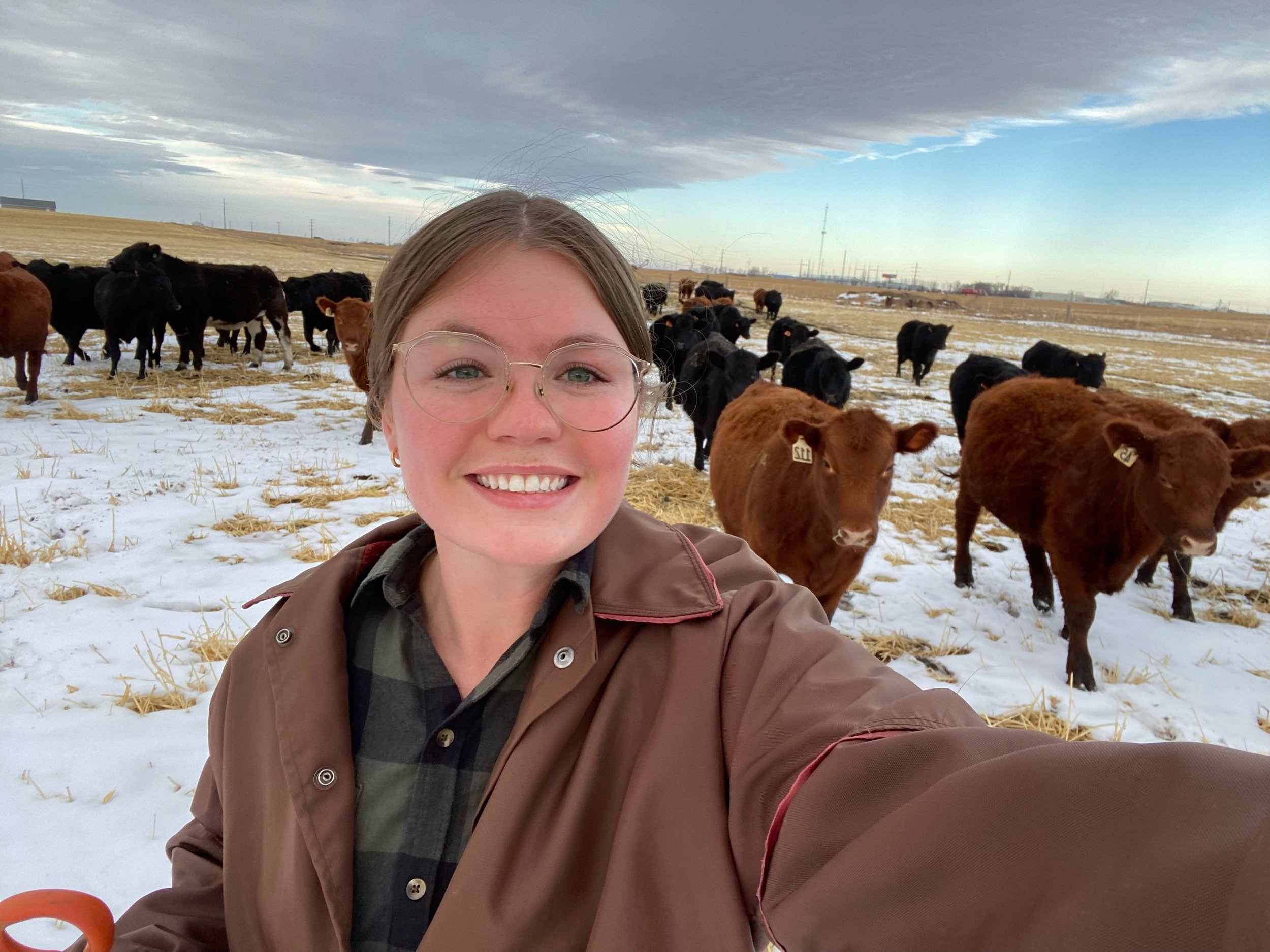
Maggie puts farmers first in her work with Iowa NRCS where she has been serving in her role as the Resource Conservationist for Small Scale, Urban and Organic farms.
Despite the short amount of time in the state, Maggie has made a big impression. According to Emmaly Renshaw of Iowa Valley RC&D, “Maggie has been instrumental in communication and education within the agency about what small farms need.” With 57% of Iowa farmland made up of farms less than 179 acres and almost 30% being less than 50 acres, having someone focused on small-scale and urban agriculture just makes sense. Maggie notes that “small scale agriculture is not just urban but also rural, as many of the folks in those communities also have limited access to local or fresh foods.”
With a North Dakota farmer for a father, Maggie was interested in agriculture early on. She went to college at Tennessee State University in Nashville which cemented the knowledge that agriculture was going to be her life. And while you can pick a major and a career path there are some things you can’t control. Graduating in 2020 during a pandemic meant that internships and post college plans were cancelled. Maggie didn’t know what to do but called on a farmer she knew and asked if he needed any help “picking rock.” He was quick to take her up on the offer and for the next 9 months, she lived in an ice fishing house on the farm, accompanied by a stray cat. Maggie spent that time walking fields and tackling other farmhand tasks. When the farmer learned about her education, he suggested she look into NRCS where she started as an NRCS Earth Team volunteer.
That experience enabled her to be hired on as a Soil Conservationist in southwest Minnesota where she worked with corn and soybean farmers. The next stop was the northern Black Hills in South Dakota as a District Conservationist where she learned about large scale irrigation projects, forestry, grazing open range land, and managing for wildlife unique to the region. She also learned that the entire area is pretty isolated when you consider the geography of the region and distance from major conveniences. The unique environment afforded her the opportunity to work with many small farmers who grew food for themselves, their families, and their communities - urban and rural. That is when she knew she wanted to specialize working with smaller scale growers where she says she now “gets to do her dream job.”
The passion for her work shows.
Emmaly believes that Maggie is instrumental to internal communication and education within the agency on what small farms need. “She is helping NRCS staff understand farmer needs and which programs could be a really good fit for them. We would be sinking if it wasn't for her,” according to Emmaly. If they run into barriers - they work together to try to remove those barriers.
It is heartening to speak to young people like Maggie who combine passion with field knowledge and a commitment to a career helping producers. As a level three planner she develops conservation plans, something she hopes to maintain so that she can do what she loves and get out into the field and write plans that put farmers first. She is a resource to the entire state of Iowa where she answers questions, provides training, and develops technical resources around urban, organic and small-scale agriculture. She feels she gets to bridge the gap between NRCS and these farmers, which echoes USDA’s emphasis on understanding and facing barriers to starting and keeping small family farms in operation for generations to come. .
Maggie also enjoys working with NRCS partners like Iowa Valley RC&D a member of the Midwest Agriculture Conservation Network which supports farmer serving organizations in hiring and training Conservation Coordinators that help farmers identify the conservation programs that meet their goals, mitigate climate change and build resilience from inception through implementation. Farmers can be connected to other producers who have implemented NRCS conservation practices to learn from their experience, have support through the process and also be connected to non-federal resources.
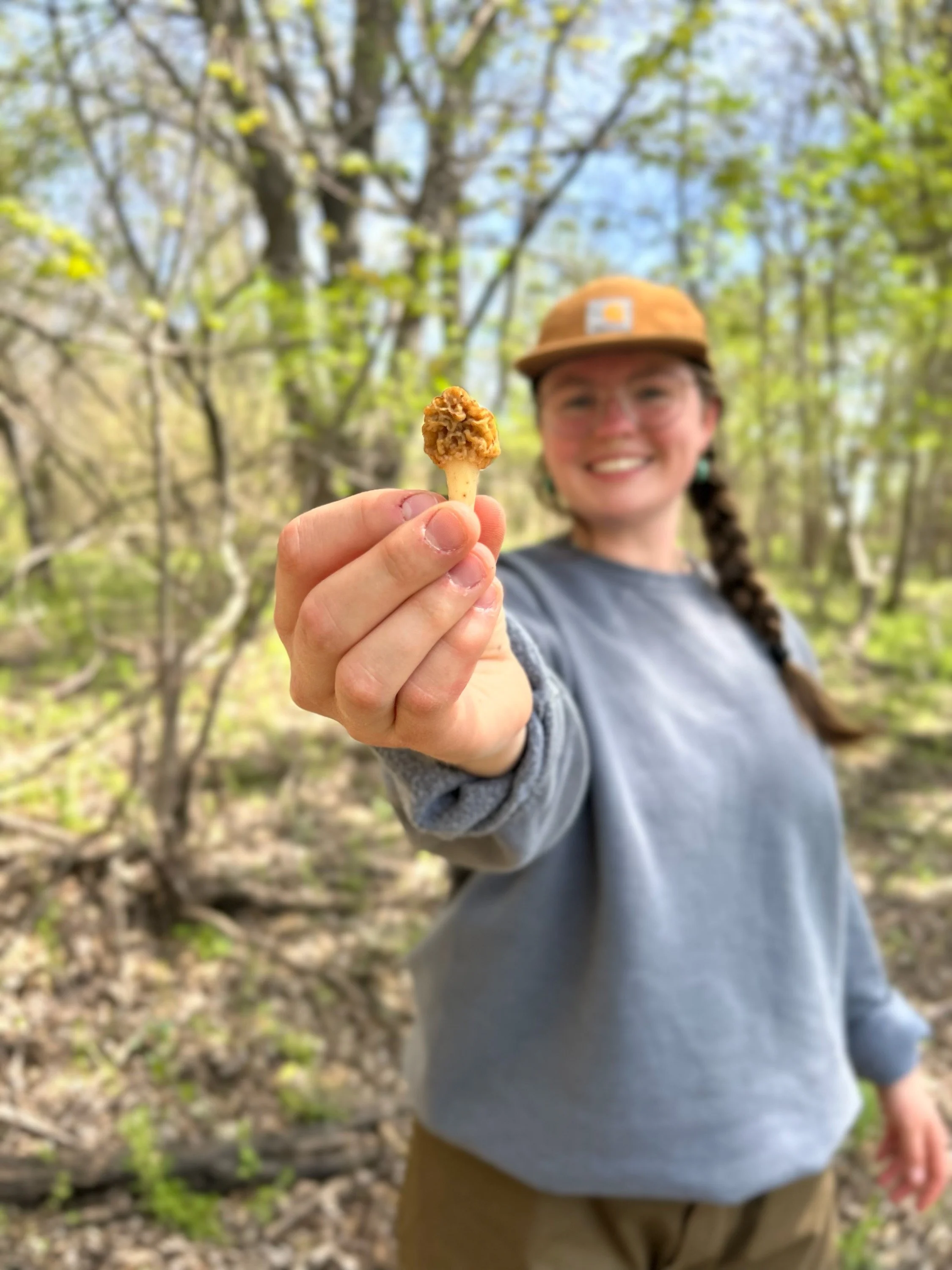
“Working with groups like IVRCD is awesome, their staff are involved in farming and they walk the talk. Seeing Emmaly come into a meeting with dirt under her fingernails because she has been doing field work illustrates that she puts in the work and can relate to other farmers. She knows what she is doing. That is true for many of the partners as well as something that many NRCS staff pride themselves in as well.”
Knowledgeable and dedicated NRCS staff working with farmer-serving organizations that know the community and have decades of trust is a good recipe for success in working toward a day when all farmers can get the support they need to implement conservation practices that build environmental resilience and economic viability.
