
There is No Doubt About the Value of Conservation
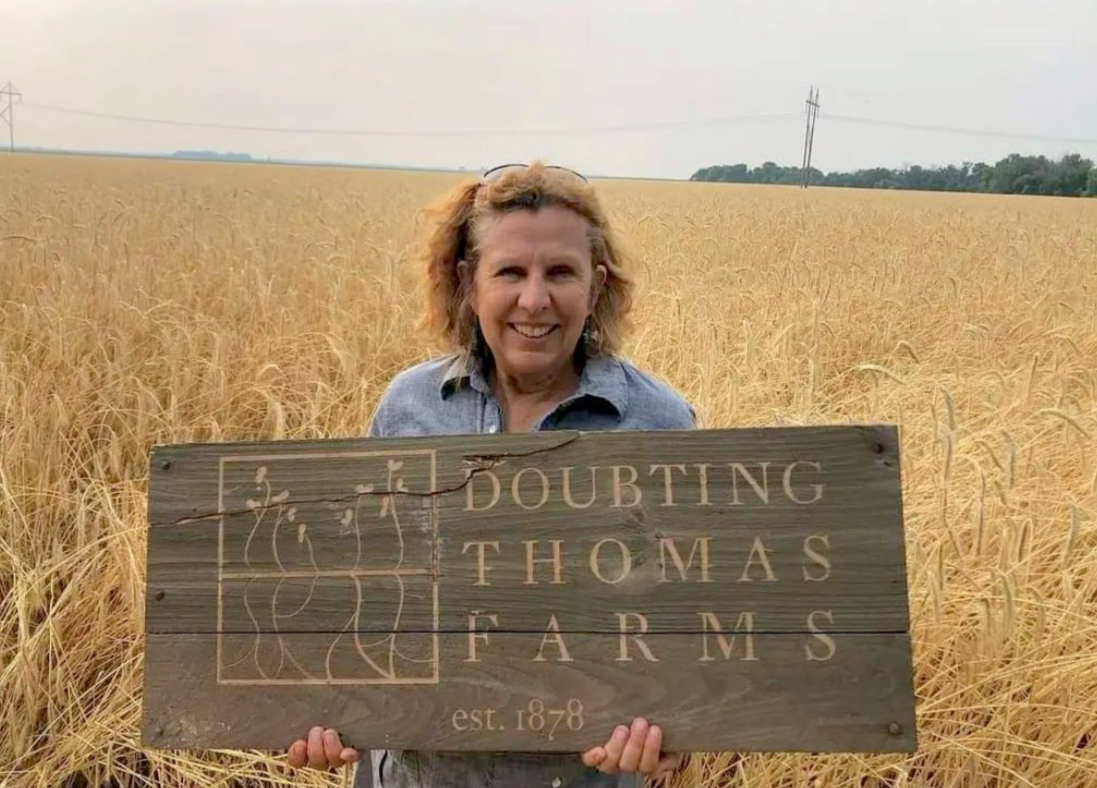
Doubting Thomas Farm is on land in Northwest Minnesota’s Red River valley that has been in the family since 1878. Noreen Thomas and her husband Lee have been certified-organic producers since 2001, farming 1,200 acres of grains, feed and beans. As someone with a degree in Food and Nutrition from North Dakota State University, Noreen understands and values the application of science and technology on the farm as well as the importance of utilizing conservation best management practices.
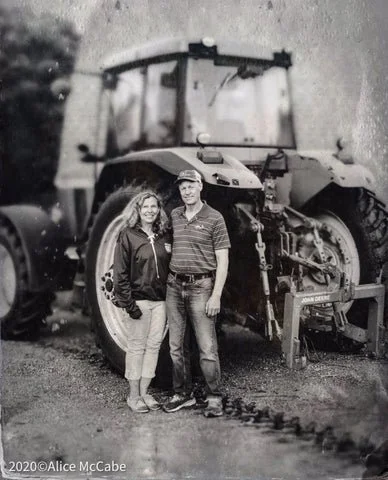
In 2025 NRCS staffing levels were reduced significantly and remaining staff are working diligently to ensure that farmers still have access to the technical and financial assistance they need. Travis Doeden started working with NRCS almost 19 years ago and prior to becoming a District Conservationist had worked as a wildlife biologist. When I ask Noreen about working with Travis she says “He is especially skilled at listening to my conservation concerns and matching them with the right practices to help us become better stewards of the land.” Good listening skills are an important asset for a good conservationist. According to Travis “...you need to know how to communicate, what questions to ask and how to learn what farmers can and cannot do, what equipment they have and learn how it can work for them, how you can plan the optimal timeline.” For Travis living in the community where he works brings an added layer of commitment and accountability. Knowing many of his customers, he wants to do a good job for his neighbors.
Having that kind of dedicated support makes a difference for farmers in the community who can share what they have done and the difference it makes. According to Noreen, “Over the past six years, we have hosted more than 8,000 visitors on our 1200 acre farm who have seen this impact firsthand. This work goes beyond benefitting my farm operation–it reaches school children, college students, and members of the public who come to learn, experience and better understand conservation in action.”
USDA NRCS offers support to a wide range of producers as Travis says, “...whoever contacts us we respond via call, text, email or visits, from a garden scale up to 20,000 acres.” Staff understand the need to be flexible based on farmer schedules. One example is that when farmers are planting, staff can use e-signatures so farmers don’t have to make a special trip into the office or, they may go find them in the field if need be.
There are no “typical” days for Travis and he likes it that way. He likes working on different things with a wide variety of customers. When I ask Travis what people need to know about NRCS he stresses the need to go in and visit your local office. That way NRCS staff can get to know each person that walks in the door and customers can understand the full range of services available.
Travis emphasizes that with technical and some financial assistance it removes some of the risk farmers face as they try new practices. As with many government agencies, things often change, whether it is program deadlines or requirements, but one thing that does not change is the conservation planning process and the benefits of better understanding environmental challenges and ways to address them. Doubting Thomas Farm is just one example of the many farmers who understand the value of NRCS conservation programming and we hope it takes them to another 148 years and beyond!
